1. Introduction: The Road Ahead
The automotive world is shifting gears faster than ever, with electric vehicles (EVs) taking center stage. Over the past decade, the idea of sustainable, battery-powered cars has evolved from futuristic concept to everyday reality. But as we head deeper into 2024, one question remains: Are electric vehicles a true revolution or just another passing trend?
As governments push for zero-emission cars and major automakers roll out new models, the debate grows louder. In this article, we’ll explore the EV revolution from every angle — technology, environment, cost, and consumer sentiment — to help you decide where the future is heading.
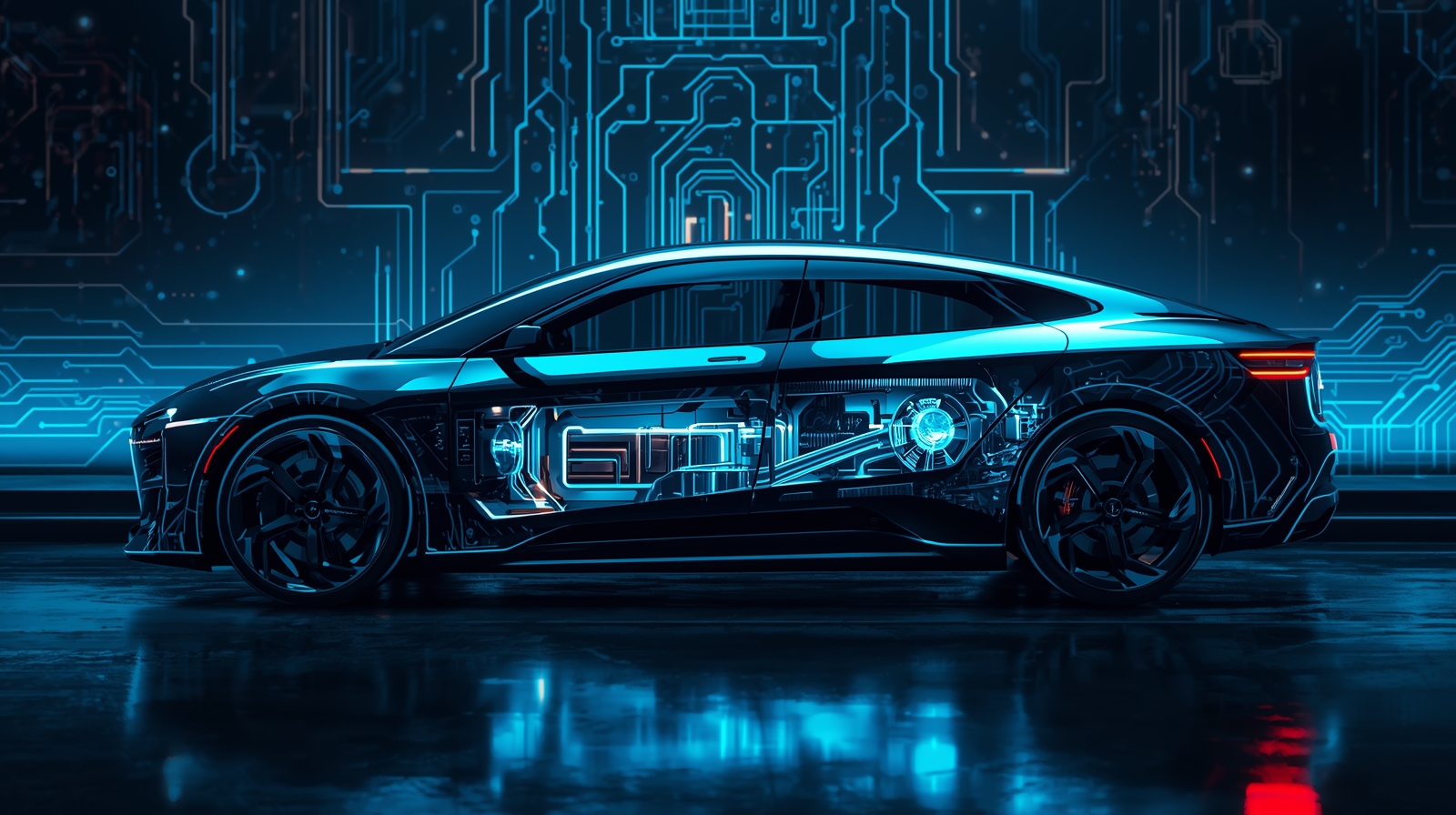
2. The 2024 EV Landscape: Where We Stand Now
The EV market in 2024 is booming. Global electric car sales have surged past 14 million units, with countries like China, the U.S., and Germany leading adoption. Major players such as Tesla, BYD, and Rivian continue to innovate, while traditional giants like Ford, Volkswagen, and Toyota accelerate their electric transition.
Governments worldwide are offering incentives, tax credits, and infrastructure investments to encourage EV ownership. However, challenges like supply chain delays and uneven charging availability still create roadblocks. The EV industry analysis shows a mix of progress and growing pains — a revolution in motion, but not without friction.
3. Tech Under the Hood: The Innovation Driving the Revolution
At the heart of this transformation is technology. Battery advancements are redefining efficiency, with solid-state batteries promising faster charging and longer range. Meanwhile, fast-charging networks are expanding globally, reducing range anxiety for drivers.
Artificial intelligence now powers smart diagnostics and predictive maintenance, while self-driving integration is merging EVs with the next wave of automation. In 2024, EVs are no longer just cars — they’re smart mobility systems connected to a broader ecosystem of renewable energy and smart grids.
4. The Sustainability Question: Are EVs Truly Green?
One of the most debated topics around electric cars is their environmental impact. While EVs produce zero tailpipe emissions, the full picture includes battery production, mining, and electricity sources. If an EV is charged using coal-based power, its environmental advantage narrows.
However, studies show that over their lifetime, EVs still emit less CO₂ than internal combustion engine (ICE) vehicles, especially when charged through renewable energy. The industry is also focusing on battery recycling and second-life storage systems, which could further reduce their carbon footprint.
5. The Cost Factor: Economics of Owning an EV
The early perception of EVs as “luxury-only” is fading. In 2024, competition and innovation have brought prices down significantly. While the upfront cost of an EV can still be higher than a gas car, owners save money long-term through lower maintenance, reduced fuel costs, and government incentives.
The total cost of ownership (TCO) now favors EVs in many markets. Maintenance expenses are minimal — no oil changes, fewer moving parts, and less wear and tear. As EV resale values rise and battery warranties improve, the financial case for electric vehicles grows stronger every year.
6. The Charging Conundrum: Infrastructure & Accessibility
One of the biggest challenges facing the EV revolution is charging. While urban areas enjoy expanding networks of fast chargers, rural regions still lag behind. Charging speed and accessibility often determine whether consumers take the plunge.
Companies and governments are racing to install fast-charging stations, while innovations like wireless EV charging and solar-powered chargers aim to make recharging as convenient as refueling. Overcoming this infrastructure challenge is key to ensuring electric vehicles move from niche to mainstream.
7. Consumer Mindset: Hype, Hope, or Hesitation?
Consumer perception plays a pivotal role in EV adoption. Many see EVs as the future — a symbol of progress, sustainability, and status. Others remain skeptical, citing concerns about charging time, range, and battery life.
According to market surveys, the top reasons people buy EVs are environmental consciousness, lower running costs, and technological appeal. On the flip side, range anxiety and charging availability remain the main deterrents. The truth is, the EV movement depends as much on public trust as on technological breakthroughs.
8. The Competitive Edge: Who’s Leading the EV Charge?
The race for EV dominance has intensified. Tesla continues to set industry benchmarks, but companies like BYD, Hyundai, and Rivian are quickly catching up. Traditional automakers are reinventing themselves with EV-focused strategies.
Meanwhile, affordable EVs from China and India are redefining accessibility. The competition is no longer about luxury — it’s about innovation, efficiency, and sustainability. This global rivalry is what’s fueling the EV revolution, keeping automakers on their toes and consumers spoilt for choice.
9. Beyond Cars: The Expanding EV Ecosystem
The electric revolution isn’t limited to personal vehicles. Electric buses, trucks, and motorcycles are becoming increasingly common, transforming logistics and public transport.
Charging infrastructure, battery recycling, and renewable energy integration are creating new industries and jobs. As governments push for cleaner cities, the entire EV ecosystem — from manufacturing to energy — is redefining how we move and live.
10. The Future Outlook: 2030 and Beyond
Looking ahead, experts predict that by 2030, electric vehicles could represent over half of all new car sales globally. Hydrogen fuel cells, solid-state batteries, and wireless charging could reshape how we think about mobility altogether.
Yet, uncertainty remains — will EVs maintain momentum, or will a new technology overtake them? Regardless, one thing is certain: the electric car revolution has forever changed how humanity envisions the future of transportation.
Conclusion: Revolution or Just Another Trend?
So, are electric vehicles a revolution or just another trend? The answer may depend on perspective. For some, they’re the pinnacle of innovation and sustainability. For others, they’re a work in progress — promising but imperfect.
As 2024 unfolds, the EV story continues to evolve. Whether you’re a believer or a skeptic, one thing’s clear: electric vehicles are here to stay. But the question remains — will they redefine our roads forever, or fade like yesterday’s tech trend?
Thank You for Reading
8 POST LEFT
'맞춤형 빌드 및 복원' 카테고리의 다른 글
| 🚀 AutoVerse Global Is Here! — Full article with detailed steps (0) | 2025.10.16 |
|---|---|
| Best Cars Under $20,000 (2025 Edition) (0) | 2025.03.13 |
| Best Electric Cars for Families in 2025 (0) | 2025.01.25 |
| 빈티지와 현대의 깔끔한 융합, Restmode 차량 (3) | 2024.03.16 |
| 맞춤형 차량 라이프스타일: 자동차 디자인의 운명을 결정하다 (0) | 2024.03.16 |